Alerts will appear here once sensor data is loaded.
Weather · Co. Antrim
—
—
Loading…
Total honey harvested
34.2 kg
Across all hives · 2026 season
↑ First harvest logged 12 March
Colony health
18 / 21
Hives with all-good status
⚠ 1 needs attention · 2 watching
Avg weight gain this week
+820g
Per sensored hive · spring flow on
↑ Flow accelerating · 3rd consecutive day
Inspections logged
47
This season · 3 apiaries
Last visit: Home Farm · 24 March
Historical context — this week in Northern Ireland
Pro
This week · current season
—
Your best hive · current readings
Awaiting sensor data
Same week · last season
—
Year-on-year comparison
Available with Pro plan
NI historical weather
Met Office records
Historical NI weather patterns from Met Office records 1950–present. Available on Pro plan.
Pro feature
Pro plan: Year-on-year colony weight comparisons, historical NI weather overlays, and seasonal performance benchmarks. See exactly how this season compares to your previous years and to historical weather patterns across Northern Ireland.
Historical NI weather data sourced from Met Office records · 1950–present
Upgrade to Pro →
Colony weight trends — all sensored hives
Last 8 weeks
⚖️
No sensor data yet
Weight trends appear here once a sensor is connected to one of your hives. Each sensor logs hive weight every 15 minutes.
8w ago7w ago6w ago5w ago4w ago3w ago2w agoToday
Hive 1 (rising — flow)
Hive 2 (stable)
Hive 5 (declining ⚠)
Hive 3 Slemish (plateau)
How to read this chart▾ expand
What is being measured
Total hive weight — brood box, bees, stores, and any supers present. The sensor sits under the entire hive. Weight in kg.
Rising line
Bees are collecting nectar faster than they consume. A strong, steady rise over several days usually means a good nectar flow is on. Typical gain: +0.5–2 kg/day in flow.
Falling line
Colony is consuming stores faster than it gains. In spring this is normal — brood rearing uses food. A fast drop (>1 kg/night) triggers an alert.
Sharp overnight drop
Classic swarm signature — 1–2 kg lost in under an hour. Also seen with robbing or sensor faults. The app checks your other hives to help distinguish.
Harvest events
Shown as a gap or sudden drop when you log a harvest. The harvest weight is calculated automatically: weight before extraction minus weight after.
Plateau
Colony is in balance — consuming and gaining at roughly the same rate. Common in late spring before main flow, or when colony is preparing to swarm.
All hives — current status
Hive
Apiary
Status
Weight today
7-day trend
Last visit
Sensor
Hive 1
Home Farm
All well
43.1 kg
24 Mar
● Active
Hive 2
Home Farm
All well
41.8 kg
24 Mar
● Active
Hive 5
Home Farm
Feed now
28.4 kg
17 Mar
● Active
Hive 3
Slemish Hill
Pre-swarm
52.3 kg
20 Mar
● Active
Hive 7
Home Farm
Estimated
— no sensor
—
24 Mar
No sensor
Hive 8
Home Farm
Estimated
— no sensor
—
24 Mar
No sensor
Showing 6 of 21 hives · View all hives →
Active alerts
🚨
Hive 5 — Home Farm
Stores critically low. Feed needed before the weekend cold snap.
Today 07:30
🐝
Hive 3 — Slemish Hill
Pre-swarm signs. Weight plateau and temperature spike. Check for queen cells.
Today 07:30
📡
Hive 3 — Randalstown Road
Sensor offline for 7 hours. Check battery next visit.
Yesterday 22:14
🌸
Flow detected — Home Farm
Weight gains across all sensored hives. Good flow on at your site.
Today 07:30
Harvest record — 2026
Standard
—
Total across all hives · current season
No harvests recorded yet this season.
Log your harvest manually via the phone app
Near you this week
Standard
Within 10 miles · anonymised regional data
🌸
Flow reports
Regional flow data available when neighbours share readings
—
🐝
Swarm pressure
Regional swarm reports appear here as the season progresses
—
🌡️
Current conditions
Loading weather data…
—
📅
Typical first flow
Your site's micro-climate pattern builds over seasons
Track it →
Feeding record — current season
No feeding events logged yet this season.
View full feeding history →
📊
Advanced analytics
Year-on-year comparison, colony survival predictions, full data export, and research contribution reports. Available on Pro.
Treatment & varroa records
Hive
Product
Applied
Withdrawal ends
Mite count
No treatment records logged yet. Add records in the Records tab.
Records kept for 5 years as required by VMR 2013 · View all treatment records →
Research contribution
Standard
🔬
Contributing to bee health research
Your anonymised data is helping scientists understand colony health across Northern Ireland
Data points contributed—
Research projects using your dataOpt-in required
Research partner consentSet in Settings →
When you opt in, your anonymised data can contribute to AMM conservation studies and colony health research across Northern Ireland. Your identity is never shared.
Consent can be withdrawn at any time in Settings · Your identity is never shared
Trends & Analysis
Year-on-year data · seasonal patterns · evidence for the serious beekeeper
PRO
🧪
Example data — Pro features are coming soon
The charts and figures below are example data to show how Pro analytics will work. None of this is your real data. Pro features will be available in a future update.
Hive 1 — weight: 3-year overlay Pro
Same calendar weeks, 2024 vs 2025 vs 2026. See whether this year is ahead or behind previous seasons.
— — 2024 (avg 28 kg peak)— — 2025 (avg 34 kg peak)—— 2026 (38 kg so far)
📈 Year-on-year weight overlays are calculated automatically from your sensor history. The chart above shows example data — your own multi-year trend will build here as you log more seasons.
Annual honey yield — all hives Pro
Total kg harvested per season, per apiary. Trend shows whether your management is improving year-on-year.
2026 (season in progress)34.2 kg so far
On track for ~70 kg if current flow continues
202562.4 kg
202448.1 kg
202341.7 kg
Year-on-year harvest comparison — requires at least two full seasons of logged data. Records are built automatically from your sensor and inspection logs.
Mite count trends — 24 months
Natural mite fall (mites/day). UK action threshold: 6/day in season.
Apr 2024Mar 2026
Log your mite counts in the Records tab to build this chart from your own data.
Winter stores consumption
Average kg consumed per week across all hives. Expected: 150–300g/week in winter cluster.
Nov 2025
180g/wk
Dec 2025
210g/wk
Jan 2026
240g/wk
Feb 2026
390g/wk
Mar 2026
+820g/wk
This chart is built from your sensor data. Log more seasons to see year-on-year patterns.
Beekeeping tasks · your observations · phenological diary · what's happening in your micro-climate
—
Mon
Tue
Wed
Thu
Fri
Sat
Sun
UrgentWatchRoutine taskDone🌸 Plant observation📝 Your note
This week
Log observations to build your micro-climate diary. Each entry becomes part of your year-on-year record.
Same week last year
No data yet
Your previous season observations will appear here once you have a year of records. Keep logging — it gets more valuable every season.
🌿 Plant phenology tracker
Log when plants bloom each year. Over time you build a picture of your unique micro-climate and can predict when the next flow will start.
🌸
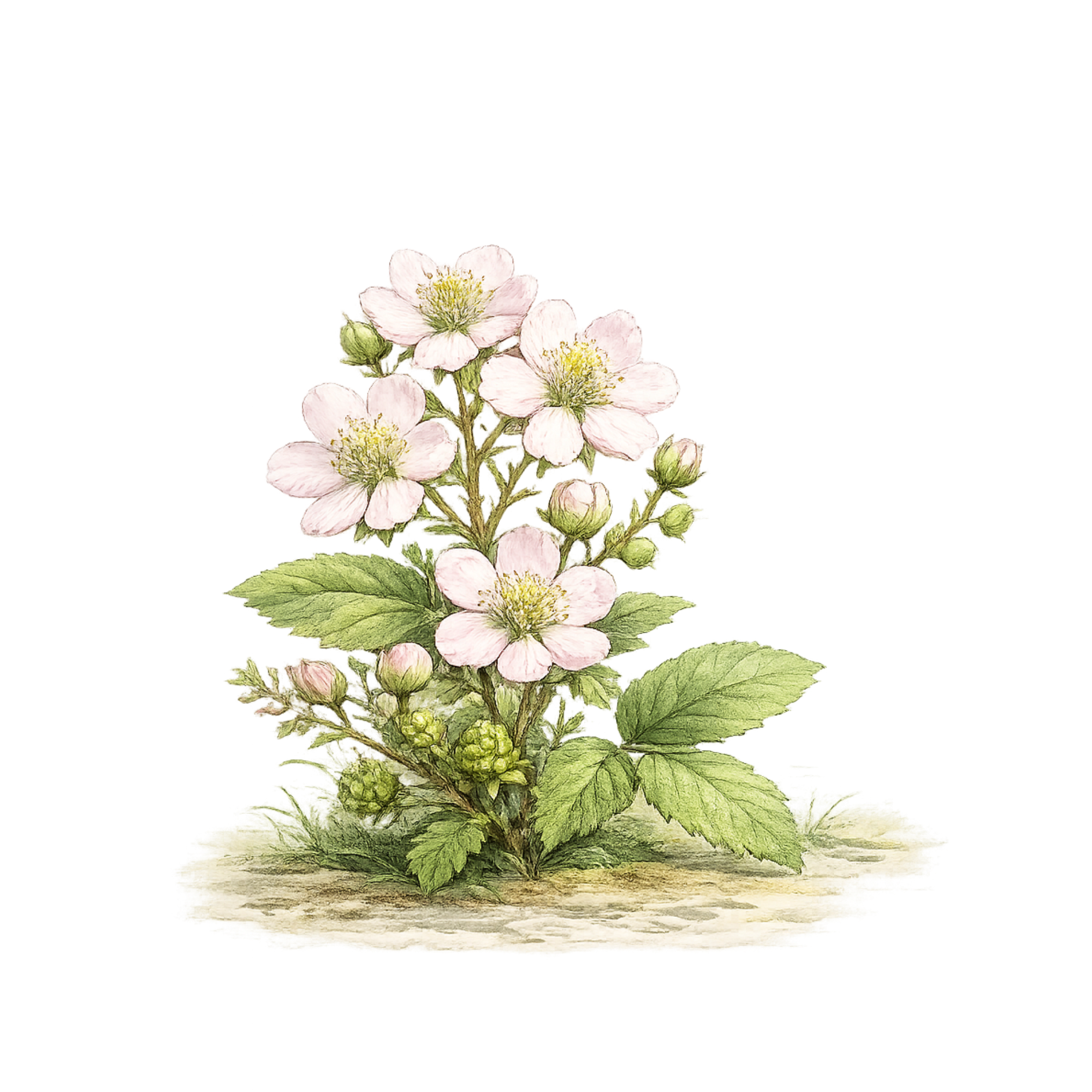
Blackthorn
2026: 27 Mar · 2025: 29 Mar · 2024: 1 Apr
In bloom
🌸
Hawthorn
2025: 12 May · 2024: 18 May · 2023: 9 May
~6 weeks away
🍀
White clover
2025: 3 Jun · 2024: 28 May
~10 weeks away
🌿
Himalayan balsam
2025: 20 Jul · 2024: 16 Jul
~16 weeks away
Add observation
What type of observation?
🌸
Plant bloom
🐝
Entrance obs.
🌤️
Weather note
🍀
Forage note
📸
Photo diary
📝
General note
📷
Click to upload a photo
Year after year of the same plant tells the story of your micro-climate
Breeding Programme
Queen records · certificates · family tree · inbreeding risk · beehappyhive.uk
Queen records
Queen
Hive
Status
Mother
Certificate
Actions
Queen 2024-01
Hive 1, Home Farm
Active
Queen 2022-01
🟢 Sensor Verified
Queen 2024-02
Hive 3, Slemish Hill
Active
Queen 2021-01
🔵 Declared
Queen 2022-01
Retired
Superseded
Queen 2019-01
🟢 Sensor Verified
Queen 2023-NUC
Sold — March 2026
Sold
Queen 2022-01
🟢 Sensor Verified🟡 DNA
Family tree — 3 generations
2019
Queen 2019-01
Historical Record
⬜ Historical
2022
Queen 2022-01
Superseded — Retired
🟢 Sensor Verified
2024
Queen 2024-01
Active · Hive 1
🟢 Verified
2023
Queen 2023-NUC
Sold — Mar 2026
🟡 DNA + 🟢
Certificate tiers
🟢
Sensor Verified
Hardware-recorded performance, tamper-evident sensor data
🟡
DNA Verified
Independent lab, genetic ground truth
🔵
Breeder Declared
Honest declaration, clearly labelled
"Certificates state clearly what they can and cannot verify. A declared queen is the breeder's word, not independent verification. This honesty is what makes the certificate credible."
Your breeding network
🧬
1 queen within 5-mile drone flight range with shared ancestry
LOW risk
📍
Nearest unrelated mating site
Slemish Hill (your apiary) — suitable for unrelated drones
Select every method you use or may use. The calendar will only show tasks relevant to your methods. Treatment-free beekeepers who still monitor will see mite count tasks but no medicine reminders.
Approved veterinary medicines
Apiguard · Oxalic acid · Thymovar · ApiLifeVar · MAQS. Triggers VMR 2013 records and withdrawal tracking.
Thermal. Calendar tracks treatment windows and post-treatment mite count.
Mite count monitoring only
Monthly natural mite fall counts. Keeps research data clean. Ideal for treatment-free keepers who still want to monitor.
Treatment-free / no varroa management
Silences all medicine reminders. Mite count monitoring continues. DAERA research contribution enhanced — treatment-free data is particularly valuable.
Treatment-free data contribution
Your treatment-free status has been noted. DAERA and the AMM conservation programme value this data.
Changes sync to the mobile app immediately · VMR records are generated automatically when medicines are used
Mite threshold alerts
Natural mite fall alert threshold6 mites/day
BPCA guideline: treat at 6 mites/day in season. Adjust for your colony size and management style.
Autumn broodless window reminder
Alert when broodless window is predicted — optimal oxalic acid timing.
Spring mite count reminder
Prompt for first mite count of season.
Photo mite counting Coming soon
Take a photo of your varroa board and AI will count the mites automatically. Based on VarroDetector (2025) and Divasón (2024) research — YOLO v11 model trained on 204 sticky boards.
📸
Photo counting coming to the next update
Upload from desktop or sync from the mobile app camera
All records kept for 5 years minimum as required by VMR 2013.
Disease pattern alerts
Sensor data is cross-referenced with known disease signatures. These are pattern-based alerts — not a diagnosis. Always confirm with a physical inspection and consult your regional bee inspector if concerned.
EFB / AFB brood temperature pattern
Alert if brood temperature deviates from the 34–36°C range with irregular spread. Common in disease-weakened colonies.
Nosema risk period
Spring confinement warning — alert if bees confined for 7+ days when temperature allows flying (>10°C).
Wax moth risk alert
Elevated risk when colony is weak (low weight, low temperature spread) going into late summer.
Overdue inspection reminder
Alert after 10 days without a logged inspection during active season (Apr–Sep).
Nuc monitoring — winter alerts Higher sensitivity
Nucs have smaller stores and are at greater risk in winter cold snaps. These alerts use tighter thresholds than full hives.
Nuc winter starvation alert
Alert if nuc weight drops more than 100g/day for 3 consecutive days. Re-alerts every 2 days.
Nuc isolation starvation detection
Alert if cluster appears stuck in one corner for 5+ days — may be isolated from stores in cold snap.
Entrance reducer reminder
Prompt to fit entrance reducer when temperature drops below 5°C for nucs.
Disease history
✓ No disease alerts this season
All colonies clear as of last inspection — date shown once inspections are logged.
View full disease event log
View →
DAERA inspection results archive
View →
Notifiable disease contacts
EFB and AFB are notifiable diseases in Northern Ireland. If you suspect either, contact DAERA immediately — do not treat without instruction.
🚨 If you suspect EFB or AFB
DAERA Bee Health: 0300 200 7844 Email: beehealth@daera-ni.gov.uk Do not move hives. Do not treat. Contact immediately.
Feed types I use
These appear in the mobile app feed selector and feeding log. Add anything you use — custom types are fine.
Sugar syrup 1:1Sugar syrup 2:1FondantCandy+ Add type
Supplements & additives
Hive AliveHive Alive + Pollen+ Add supplement
Feeding history
Date
Hive
Type
Amount
15 Mar
Hive 5
Fondant
500g
10 Mar
Hive 5
Sugar syrup 2:1
1L
2 Mar
Hive 2
Fondant
500g
Feeding alerts
Low stores warning
Alert when hive weight suggests stores below 5kg (National/Langstroth). Threshold adjusts automatically for calibrated hive type.
Spring starvation risk
Enhanced sensitivity February–April when stores are typically lowest and bees start brood rearing. Alert at 7kg rather than 5kg.
Nuc starvation risk
Alert if nuc weight drops >100g/day for 3 days. Nucs have limited stores and are highest-risk in cold snaps.
Post-feeding confirmation
Notify when sensor shows weight increase consistent with feeding (>0.5kg overnight jump) — confirms feed was taken.
Weight thresholds by hive type
These alert thresholds are automatically applied based on your hive calibration. Set in Equipment settings.
Hive type
Warn at
Critical
National (cedar)
5 kg stores
3 kg
National (poly)
5 kg stores
3 kg
Langstroth
6 kg stores
4 kg
Nuc (5-frame)
2 kg stores
1 kg
Nuc (6-frame)
2.5 kg stores
1.5 kg
Weather data sources
Open-Meteo
Primary
Free, no API key required. Hourly forecasts. Used for all weather alerts and calendar predictions. 7-day forecast horizon. Source: open-meteo.com
Met Office DataHub
Fallback
UK-specific high resolution. Used if Open-Meteo unavailable. Requires API key for full access. DataHub: datahub.metoffice.gov.uk
GPS auto-detect location
Use device GPS for weather data. More accurate for apiaries away from your home location.
Your apiary locations
Weather alerts
Rain before inspection
Alert if rain is forecast within 2 hours of a scheduled inspection. Bees are more defensive in wet weather.
High wind warning
Alert if wind >25 km/h is forecast. Consider strapping hives in exposed locations.
Hard frost warning
Alert night before forecast frost (below 0°C). Particularly important for nucs and poly hives.
Nectar flow forecast
Alert when conditions are ideal for a nectar flow (warm, sunny, 18°C+, no rain). Check supers.
Cold snap warning (stores risk)
Alert if 5-day temperature average drops >5°C from current. Colonies consume stores faster in cold.
Weather & hive correlations Pro
Pro plan includes automatic correlation of your hive weight data with local weather — identifying which weather patterns drive the best foraging for your specific apiaries.
📊
Weather correlation reports
Which days did your bees forage best? What temperature triggers a flow? Available on Pro plan.
Live sensor status across all your apiaries. All readings update every 15 minutes. Hub = the central unit that sends data. Sensor = the weight/temp/humidity unit under each hive.
Hub & power supply
Sensors by hive
Hive calibration — tare weights
The sensor measures total hive weight — box + bees + stores. Tare is the weight of your empty box. A cedar National weighs ~12.5 kg empty. A poly National weighs ~4 kg. The same total weight reading means completely different stores if you don't calibrate. Uncalibrated hives will have all weight alerts suppressed.
Subscription
Standard Plan
£3.99/month · manage in your account settings
Upgrade to Pro for year-on-year comparison, predictive analytics, breeding programme, full data export and DAERA research contribution.
Notification preferences
Morning summary notification
Daily digest — one sentence colony status
07:30
Weight anomaly alerts
Notify if weight changes >1kg in 12 hours
On
VMR compliance reminders
3-day warning before treatment deadlines
On
Data & privacy
VMR records
3 records this season
Export PDF →
Inspection history
Full archive since 2024
Download CSV →
Sensor data archive
All sensor readings since installation
Download CSV →
Research contribution
Contributing
All records kept for 5 years minimum as required by VMR 2013. Your identity is never shared with research partners.
Apiaries & hives
All Hives
21 hives across 3 apiaries
Hive
Location
Type / Strain
Last inspection
Sensor
Status
Battery levels — all sensors
Hub & power supply
Last contact — all sensors
Sensor
Status
Last reading
Battery
Signal
Action
📦 Setting up a new sensor — how it works
What the sensor measures: Total hive weight (kg) · internal temperature (°C) · humidity (%) · GPS position (setup only). Updates every 15 minutes.
Where to place it: The sensor sits under the entire hive on the stand. Not on the crown board — that moves every inspection. The solar panel clips to the side of the hive stand or a stake beside the hive. Never on the roof.
First-time calibration: Weigh your empty hive before adding bees. A cedar National is ~12.5 kg empty. A poly National is ~4 kg. If you don't calibrate, the system can't tell you how many kilos of stores are in there — it will suppress all stores alerts until you do.
Hub: One hub per apiary. Connects over mobile data. Mains-powered where possible; battery + optional solar otherwise. Hub transmits all sensor data to the cloud every 15 minutes.
⚖️
Scale Calibration Wizard
Step 1 of 3
Which hive are you calibrating?
Select the hive, and we'll link this sensor's readings to it permanently.
Sensor serial / ID (optional)
Found on the sensor label. Useful if you have multiple units.
What is on the hive right now?
Be accurate — this is your calibration baseline. The app tracks weight change from this exact configuration.
Hive components present:
⚠️ Calibrating with supers on — important
If you calibrate with supers on, the app will set your baseline to include those supers. When you remove them later, the weight drops below baseline and reads as negative. Only do this if you cannot remove the supers (e.g. bees are too active to safely disturb). If you do calibrate this way, always log super removals carefully.
How many supers are on the hive right now?
4 supers + brood box likely exceeds 80 kg total — well above a 50 kg scale limit. The scale may already be in an error state, or will be once supers fill. Consider harvesting 1–2 supers first, then calibrating.
Recommended approach
Calibrate with brood box only (no supers). Add supers as the season progresses and log each one. The app will track your honey build-up separately from the colony weight, giving you a clean picture of both.
Ready to calibrate
The sensor is reading the hive weight. Once you confirm, this becomes your permanent baseline.
Current sensor reading
— kg
Waiting for sensor…
Hive—
Configuration at calibration—
Supers logged at calibration0
Scale headroom remaining—
After calibration: every time you add or remove a super, log it in the app (or on your phone at the apiary). The app uses the super ledger to keep the colony weight chart accurate.
✅
Calibration complete
Sensor linked to your hive. Baseline set. Weight tracking begins now — the app will send you a morning summary each day.
What happens next
• When you add a super: log it in the app → select hive → "Add super". The super's estimated weight (you enter it, or use typical 0 kg empty / 15 kg full) is added to the ledger.
• The weight chart will show colony + stores weight, not including the super box weight you've logged.
• If the scale ever reads above 40 kg, the app warns you to consider harvesting.
• If you see a sudden negative reading, check the super ledger — a super was likely removed without being logged.
🫙
Harvest records have moved
All harvest logs — weights before and after extraction, per-hive totals, and year-on-year comparisons — are now part of the Records tab, alongside your inspections, treatments, feeding logs, and varroa counts. Everything in one place.
No inspection records logged yet. Use the + button to add your first inspection.
⚖️ Veterinary Medicines Regulations 2013
You must keep a record of all veterinary medicines used on your hives. Records must be kept for 5 years and be available for inspection. This log satisfies VMR 2013 requirements.
Date
Hive(s)
Product
Active ingredient
Batch no.
Dose / method
Withdrawal
Recorded by
No treatment records logged yet. Records are kept for 5 years as required by VMR 2013.
Date
Hive
Feed type
Amount
Reason
Fed by
No feeding records logged yet. Use the + button to log your first feeding event.
Total harvest this season
—
No harvests logged yet
Avg per hive
—
Log harvests to see this
Best hive
—
Log harvests to see this
Date
Hive
Supers taken
Weight pre-extract
Weight post-extract
Net honey
Jars (454g)
No harvest records logged yet. Use the + button to log a harvest.
Date
Hive
Method
Count
Infestation %
Action taken
No varroa counts logged yet. Use the + button to log your first count.
Marked
Yellow (2024)
Clipped
No
Origin
Own rearing
Mother
Queen 2022-01
Traits observed
CalmGood layerLow swarm tendency
Verification
🟢 Sensor Verified — 14 Apr 2024
Notes
Introduced from a queen cell reared May 2024. Excellent brood pattern across 8 frames on 28 June 2024.
Marked
Yellow (2024)
Clipped
Yes
Origin
Purchased — NIBKA
Mother
Queen 2021-01
Traits observed
ProlificHoney producerModerate temper
Verification
🔵 Declared — supplier docs held
Notes
Purchased at NIBKA June convention. Candy-plug cage introduction. Strong build-up through July.
⚠️ Superseded — records retained for lineage tracking.
Marked
Red (2022)
Clipped
No
Origin
Own rearing
Mother
Queen 2019-01
Traits observed
CalmDisease resistant
Verification
🟢 Sensor Verified — hive weight data confirmed
Notes
Served as laying queen from April 2022. Superseded naturally. Mother of Queen 2024-01.
✓ Sold as part of a 5-frame NUC — March 2026.
Marked
Red (2023)
Clipped
Yes
Origin
Own rearing
Mother
Queen 2022-01
Traits observed
CalmGood temperStrong build-up
Verification
🟢 Sensor Verified + 🟡 DNA Sample (pending)
Notes
Reared Aug 2023. Sold to local beekeeper March 2026 with full lineage documentation.
👑
Queen Lineage Certificate
Bee Happy Hive · Apiary Records
Queen ID
2024-01
Year colour
Yellow (2024)
Hive / Status
Hive 1, Home Farm
Mother
Queen 2022-01
Verified by
🟢 Sensor Verified
Issued
28 Jun 2024
Issued for informational purposes under the BeeBase voluntary record scheme.
👑
Queen Lineage Certificate
Bee Happy Hive · Apiary Records
Queen ID
2024-02
Year colour
Yellow (2024)
Hive / Status
Hive 3, Slemish Hill
Mother
Queen 2021-01
Verified by
🔵 Declaration
Issued
15 Jul 2024
Issued for informational purposes under the BeeBase voluntary record scheme.
👑
Queen Lineage Certificate
Bee Happy Hive · Apiary Records
Queen ID
2023-NUC
Year colour
Red (2023)
Hive / Status
Sold — March 2026
Mother
Queen 2022-01
Verified by
🟢 Sensor + 🟡 DNA
Issued
10 Mar 2026
Issued at point of sale. Full lineage records retained in Bee Happy Hive Apiary Records.